- The Wolf on Wealth
- Posts
- One Oilman Owns Venezuela's Future
One Oilman Owns Venezuela's Future
Exxon won't touch Venezuela without security guarantees. One 70-year-old wildcatter who started in a mobile trailer already signed the contracts two years ago.

Jordan Belfort
January 14, 2026

In partnership with

👋 Good Morning. While Exxon demands guarantees to enter Venezuela, one 70-year-old wildcatter already has the contracts, the rigs, and two decades drilling in chaos.
Read time: 3 minutes | 685 words
STORY
🛢️ The Oilman Who Bet on Venezuela

Rod Lewis started with nothing. Living in a mobile home in 1982, he bought his first oil well near Laredo, Texas. The criminal justice graduate turned rancher became an unlikely oilman.
Then the shale boom hit. Lewis mastered new drilling techniques. He built a small empire extracting gas from South Texas shale.
But Lewis craved bigger gambles:
First American to drill in Mexico in decades (2004)
Signed with Pemex, Mexico's state-owned oil monopoly
Painted "Pemex" on trucks, traveled with armed guards
Workers lived in military compounds, forbidden from leaving after dark
Built 360,000 acres in cartel-controlled Colombia
The Mexico bet didn't pay off for 10 years. Lewis fronted all drilling costs. He navigated cartels and bureaucracy. Most would have quit.
Instead, he doubled down. In 2018, Pemex finally partnered with him on Eagle Ford Shale. By 2023, he sold his Colombian assets for $100 million.
Then came Venezuela.

In 2024, Lewis flew to Caracas. He met with officials at the state oil company. His firm secured contracts for fields that once produced 120,000 barrels daily. That's 15% of Venezuela's current output.
Venezuela holds the world's largest oil reserves. Bigger than Saudi Arabia. Bigger than Canada. But decades of mismanagement left production crippled.
One problem: American sanctions blocked everything.
Now Nicolás Maduro is gone. The Trump administration wants oil companies in Venezuela. Exxon and ConocoPhillips hesitate, demanding security guarantees and legal reforms.
But wildcatters move faster. Treasury Secretary Scott Bessent said their "phone's ringing off the hook" to get into Venezuela.
Lewis already has contracts, infrastructure knowledge, and decades drilling in dangerous places. While oil giants deliberate, he's positioned to rush in. He owns his drilling rigs, keeping costs low and avoiding delays.
"It's a life-changer, even for him," said someone close to Lewis. "You get one block and it's multiple times the resource of any Latin American country."
The 70-year-old wildcatter who started in a trailer now owns a 78-meter yacht and vintage WWII planes. His biggest bet yet is just beginning.
TOGETHER WITH WISPR FLOW
Fast, accurate financial writeups

When accuracy matters, typing can introduce errors and slow you down. Wispr Flow captures your spoken thinking and turns it into formatted, number-ready text for reports, investor notes, and executive briefings. It cleans filler words, enforces clear lists, and keeps your voice professional. Use voice snippets for standard financial lines, recurring commentary, or compliance-ready summaries. Works on Mac, Windows, and iPhone. Try Wispr Flow for finance.
INSIGHT
🎯 Don't Wait for Safe Bets. Position Before Permission.
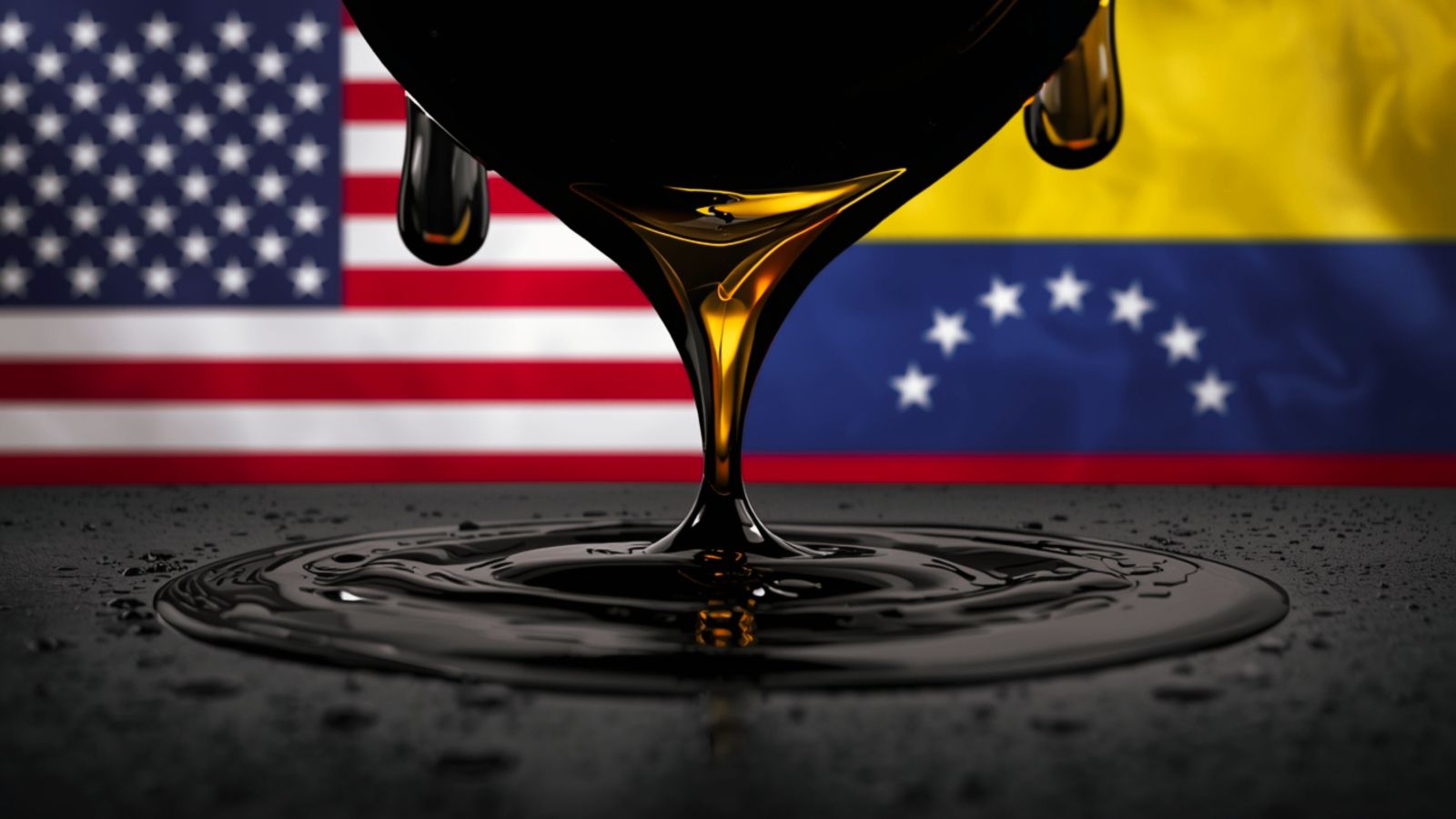
When Maduro fell in 2026, Exxon and ConocoPhillips hesitated. Lewis already had contracts, rigs, and 20 years drilling in chaos. Result? Pole position for the world's largest oil reserves.
1. Own the Infrastructure While Everyone Else Rents
Lewis owns his drilling rigs. Exxon doesn't. When service costs spike or equipment disappears, Lewis keeps drilling. When sanctions lift, he doesn't wait for vendors. Big oil outsources flexibility. Wildcatters buy permanence.
Action: Identify what you're renting that competitors also rent. Buy it. Own your servers. Own your manufacturing. Own your distribution. The moment everyone rushes in, you're already operating while they're still negotiating contracts.
2. Get Contracts Before Markets Open
Lewis signed Venezuela deals in 2024 when sanctions made them worthless. Exxon is "considering" Venezuela now that it's safe. Lewis spent two years navigating bureaucracy while the door was closed. When it opened, he walked through first.
Action: Find the market everyone says is "too early" or "too risky." Sign contracts now. Build relationships now. When the herd arrives, you'll own the best assets and they'll pay premium for scraps.
3. Build Scar Tissue Others Won't Tolerate
Ten years in Mexico with no profit. Workers in military compounds. Armed guards. Most investors would have pulled out year three. Lewis stayed until year 10 when Pemex finally partnered on Eagle Ford Shale. That pain tolerance became competitive advantage.
Action: Pick one miserable market condition competitors avoid. Master it. Bureaucracy. Regulations. Instability. The thing that makes everyone else quit becomes your moat. When conditions improve, you're the only one who knows how to operate there.
Rod Lewis proves you don't need the biggest company. You need to be there first, own what matters, and outlast everyone's pain threshold.
MEMES
